Refill to Save: Smarter Spending, Lighter Bins

Today we dive into The Economics of Refilling: Cost and Waste Savings for Household Essentials, translating price-per-ounce realities, packaging footprints, and simple routines into everyday wins. Expect honest math, practical setups, and uplifting stories showing how small refills compound into reliably lower bills and lighter bins without compromising cleanliness, convenience, or quality.

How Refilling Reshapes Your Household Budget

Refilling changes the cost curve by separating one-time container purchases from recurring product costs, making each subsequent top-up markedly cheaper. When you compare unit prices fairly and track monthly consumption, you uncover steady savings that grow with consistency. Families often notice a tipping point after just a few cycles, when reduced packaging and bulk pricing start delivering visible results.

Less Packaging, Less Guilt: Measurable Waste Cuts

Refilling avoids constant disposal of pumps, caps, labels, and thick-walled bottles, shrinking both household trash and recycling overflow. When empty packaging no longer dominates your bin, you gain space, time, and peace of mind. Life cycle estimates often show that avoided packaging beats end-of-life sorting, especially where recycling access is limited or contamination risks are high for mixed materials.

Slower-Filling Trash Cans

Many people notice an immediate change: the kitchen bin fills slower, and bathroom baskets need fewer trips to the curb. That quieter pace signals reduced packaging turnover. Photograph your bin on the same day each week, then compare volume over a month. The difference is motivating, proving daily habits can trim waste without demanding complicated sorting or extra storage space.

Packaging Footprint by the Numbers

Tally the weight and count of plastic, glass, and cardboard avoided by each refill cycle. Even conservative estimates add up quickly when multiplied across dish soap, laundry detergent, and cleaners. If a refill pouch displaces two rigid bottles, note that ratio. Track over a quarter and you’ll see unmistakable reductions, supporting decisions to expand refilling into more household essentials.

Containers That Last: Materials, Safety, and Design
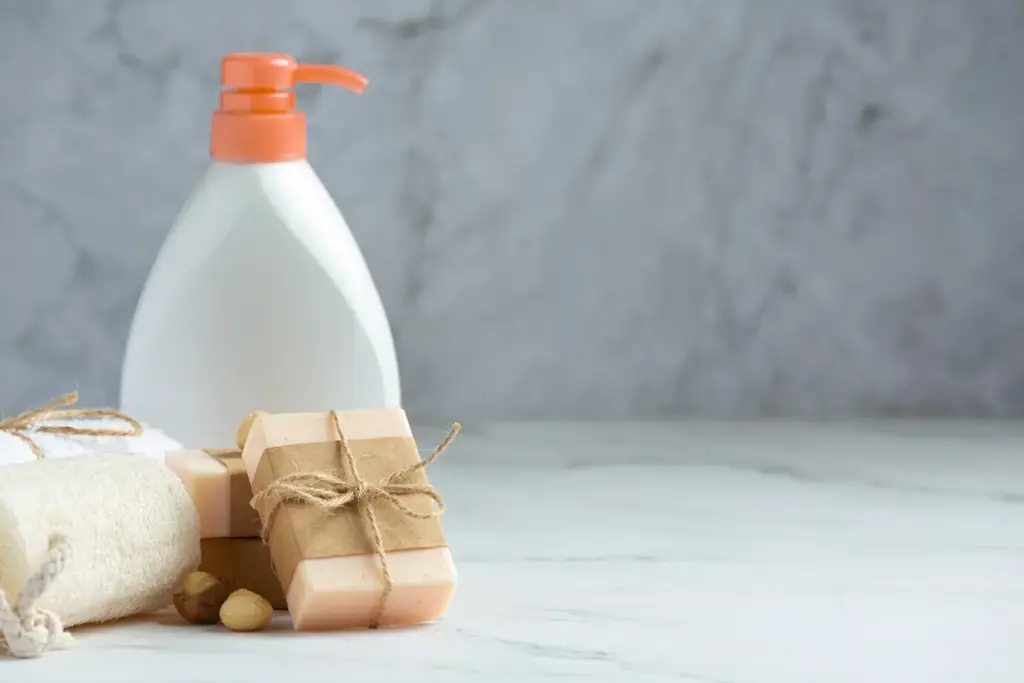
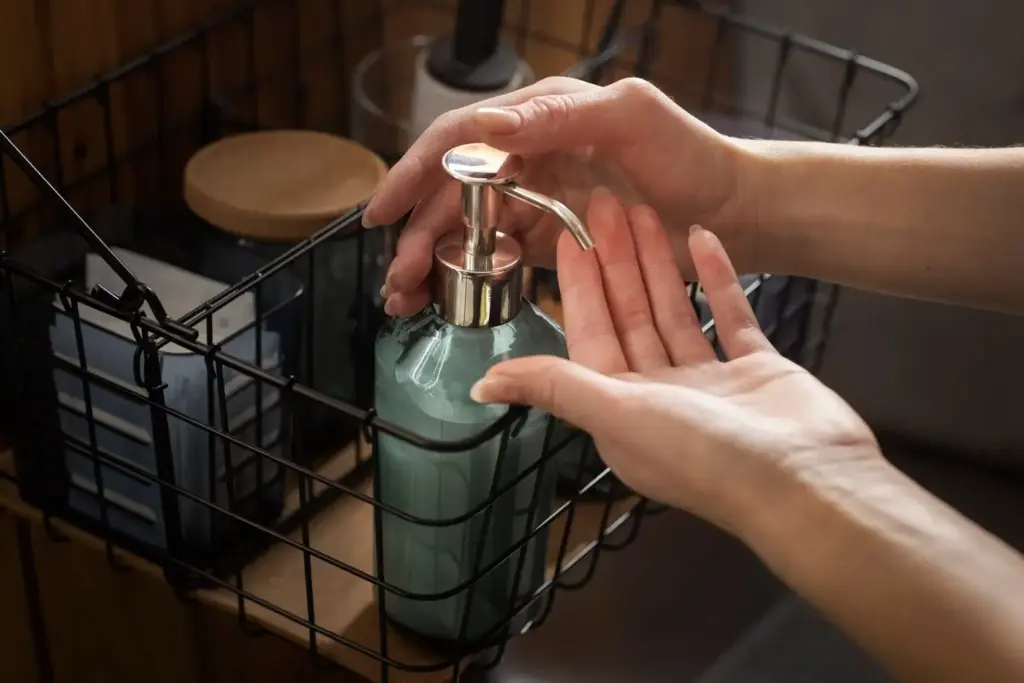
Choosing dependable containers protects both product performance and your savings. Opt for materials compatible with your formulas, prioritize easy cleaning, and prefer clear labeling to prevent mix-ups. Durable pumps and caps reduce leaks and frustration, while standardized sizes simplify storage. Smart design choices transform refilling from an occasional chore into a tidy, satisfying ritual that fits naturally into daily life.

Habits That Stick: Turning Refills into a Routine

Refilling succeeds when it’s easy, visible, and rewarding. Set up stations where products are used, keep backups within reach, and treat refills like a quick micro-task. Gentle reminders and shared household calendars eliminate last-minute scrambles. When the process feels friendly rather than fussy, people participate eagerly, and the savings reliably accumulate without constant oversight or motivational speeches.

Bulk Aisles and Deposit Loops

Many stores now offer wall-mounted dispensers or staffed stations for soaps and cleaners. Bring clean containers or use deposit bottles that return your fee upon drop-off. Ask about turnover rates to ensure fresh stock. Note posted prices per unit, record your refills, and build trust through consistent quality, straightforward policies, and friendly staff ready to answer compatibility or dilution questions.

Refill Delivery with Take-Back

Subscription refills simplify scheduling while circular services pick up empties for washing and reuse. Evaluate fees, container durability, and ingredient disclosures. Confirm how damages are handled and whether labels are updated between cycles. Many users love the convenience of doorstep exchanges, especially when paired with transparent lifecycle claims that explain how packaging is cleaned, inspected, and safely redeployed repeatedly.

Concentrates and Tablets That Truly Perform

Concentrated formulas reduce shipping weight and packaging dramatically, yet they must dissolve cleanly and match performance expectations. Seek independent testing, ingredient clarity, and honest stains-or-dirt performance claims. Track your results on real tasks—grease, soap scum, laundry odors—then keep winners on rotation. Concentrates combine economic logic with practical gains when they deliver reliable cleaning while minimizing storage and waste.

Quality, Performance, and Brand Trust

Refilling only works when products perform. Compare stain removal, grease cutting, and skin feel directly with your current favorites. Look for consistent batches, accessible safety documentation, and responsive customer support. Encourage feedback among household members to catch issues early. When quality holds steady, the savings feel effortless, and confidence in your new routine replaces old brand-dependent habits.

When Refills Match or Beat Originals

Test head-to-head on real messes: a greasy pan, muddy socks, or soap-scummed tiles. Time the effort, note scent intensity, and evaluate residue. Some refills equal legacy brands, while others surpass them in rinse feel or ingredient transparency. Keep a small comparison journal for two weeks; your notes will guide confident purchasing without guesswork or reliance on clever packaging promises.

Reading Safety Data Sheets and Certifications

Safety Data Sheets reveal handling advice, exposure limits, and storage needs, while certifications offer extra assurance around biodegradability, allergens, or ethical sourcing. Scan for dilution instructions and compatible surfaces to avoid accidental damage. When providers share clear documentation, you gain peace of mind and reduce misuse, ensuring long-lived containers and a routine that remains safe for everyone involved.

Handling Scent, Allergies, and Sensitivity

Fragrance can be personal. Choose unscented or low-allergen options if sensitivities arise, and test small batches before committing. Label clearly to prevent mix-ups in shared homes. If you love scents, opt for responsibly sourced oils and consistent dosing. Comfort drives adherence, so prioritize formulations that feel good on skin, rinse clean, and leave rooms fresh without overwhelming the senses.

Week One: Audit and Baseline Metrics

Collect last month’s receipts and estimate unit prices. Count empty bottles, caps, and pumps from your recycling or trash. Photograph storage areas to visualize clutter. Choose containers, label them, and set simple goals for cost and waste. Clear comparisons make progress tangible, helping you commit calmly without pressure while seeing exactly where refilling can deliver the biggest early benefits.

Week Two: Set Up and First Refills

Assemble your station, sanitize containers, and make the first refill purchases. Record prices and note ease of use. If a funnel or pump frustrates you, adjust immediately; comfort keeps momentum. Share the process with housemates so everyone understands labels and routines. Celebrate your first avoided bottle, then schedule the next top-up before levels drop to stressful, last-minute territory.

Weeks Three and Four: Optimize, Share, and Celebrate
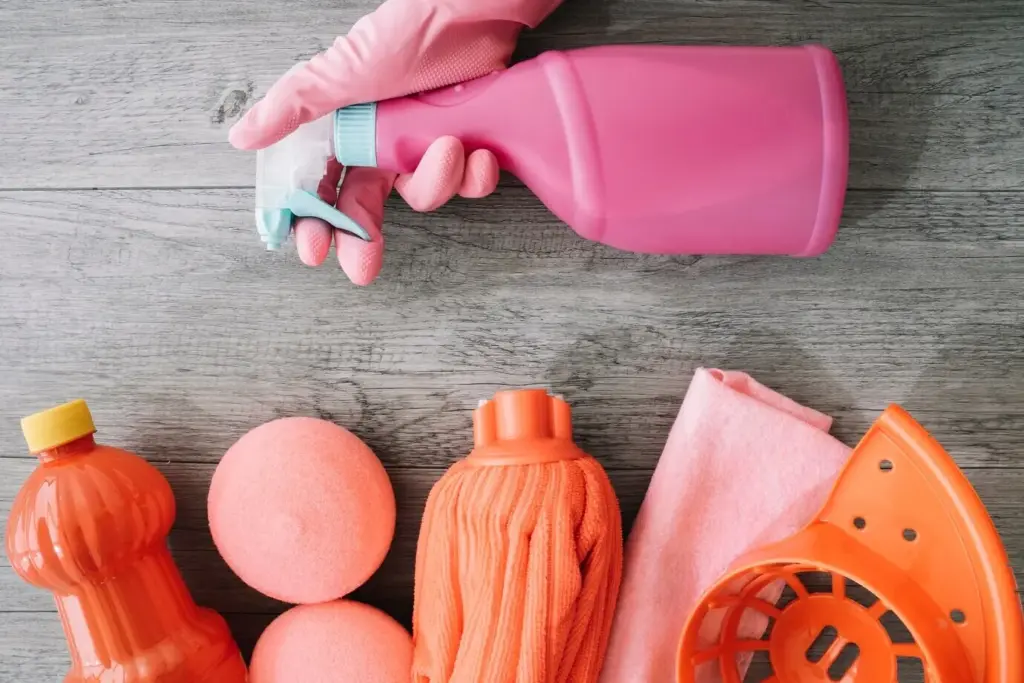
Refine container sizes, adjust dilutions, and evaluate performance in real tasks. Compare total spending and packaging avoided against your baseline. Post results to inspire friends, ask for suggestions, and subscribe for monthly challenges or new comparisons. Mark the month’s end with a small treat funded by savings, then decide which additional essentials deserve a place in your growing refill setup.
Kazuxuxikaxura
Privacy Overview

This website uses cookies so that we can provide you with the best user experience possible. Cookie information is stored in your browser and performs functions such as recognising you when you return to our website and helping our team to understand which sections of the website you find most interesting and useful.