Effortless Refills for a Low-Waste Home

Today we’re diving into subscription refill services and delivery models for sustainable households, turning a maze of options into clear steps you can apply right away. Learn how scheduled replenishment, reusable packaging, and smarter last‑mile logistics shrink waste, trim emissions, save money, and simplify daily routines without sacrificing cleanliness, comfort, or reliability in busy family life.

Designing a Refill Rhythm That Fits Real Life

Sustainability works best when it feels natural. Build a refill routine around your household’s actual habits, not idealized plans. Track usage, choose containers that genuinely last, and align deliveries with your calendar. Share what works for you in the comments so neighbors can borrow ideas and adapt them to their unique circumstances too.

Measure What You Use, Not What You Wish

For two weeks, quickly note when bottles hit half, quarter, and empty. That simple log reveals your true cadence, reducing guesswork and emergency store runs. Then set subscriptions to arrive just before low points. The result is fewer panicked moments, less cluttered storage, and a calm, predictable flow of essentials.

Choosing Containers That Earn Their Keep

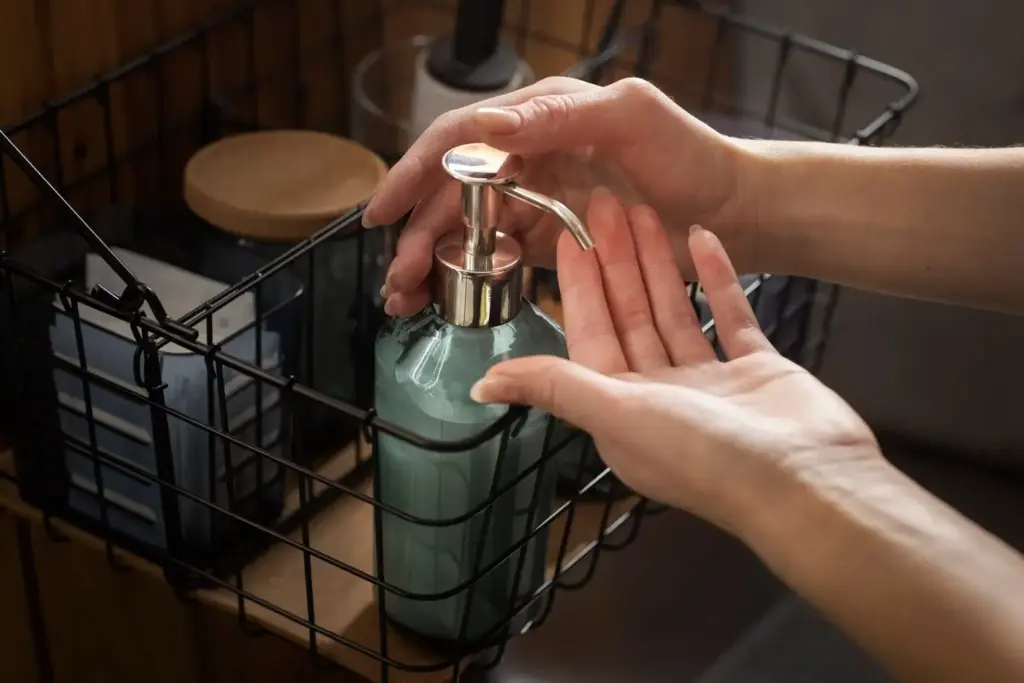
Pick materials with a track record: stainless for durability, thick glass for easy sanitizing, aluminum where lightweight matters, and robust pumps that are repairable. Look for wide mouths, measurement markings, and dishwasher‑safe parts. The right design trims residue, improves longevity, and turns every refill into a smooth, satisfying routine.

The Doorstep Swap, Reimagined

Think of the classic milk round, upgraded with digital scheduling and scannable containers. Couriers drop full units, collect empties, and verify sanitation cycles automatically. This swap model slashes single‑use waste, keeps materials in a closed loop, and builds a friendly rhythm where your porch becomes a tiny, efficient circular hub.

Bikes, Bots, and Micro‑Hubs

In dense neighborhoods, cargo bikes and small electric vans staging from micro‑hubs can beat traditional trucks on both emissions and reliability. Shorter routes mean fewer delays, while right‑sized vehicles reduce idling and noise. The bonus: easier returns and faster container turnaround, which keeps the refill loop moving with fewer resources overall.

Batch Days and Pickup Points

Choosing a weekly delivery window or neighborhood pickup point allows providers to bundle stops and cut miles. You trade instant gratification for steadier, greener service and fewer misdeliveries. Pair this with reminders that nudge you to return empties, and the whole system becomes smoother, cheaper, and easier for everyone involved.

Balancing Budget, Convenience, and Planet Outcomes

Affordability and impact can align when you consider total cost, not just sticker price. Concentrates reduce freight, reusables avoid endless packaging, and subscriptions prevent overbuying. Set goals that blend savings and sustainability, then review quarterly. Tell us what metrics you track so others can borrow smart, simple scorecards for progress.

The Price Behind the Price

Add up everything: product, delivery, containers, disposal, time spent shopping, and stress from stockouts. Concentrated refills often win when transportation and packaging are counted honestly. Track a month of receipts and minutes saved, then compare. Clear numbers replace vague intentions and reveal where refills truly shine in daily life.

Never Run Out: Buffers and Alerts

Set a modest buffer for non‑negotiables like laundry detergent or dish tablets. Use app alerts, calendar nudges, or smart scales to trigger orders before crunch time. That small cushion protects against holidays, flu weeks, or guest surges, keeping your home calm, stocked, and waste‑aware without expensive, last‑minute shipping.

Sensors, Apps, and Predictive Refill Intelligence

Technology should remove friction, not add it. The best tools quietly learn your pace, respect privacy, and surface timely decisions. Start simple, then add automation where it helps. Share which tools genuinely reduced effort so others can skip gadgets that distract and invest in solutions that deliver real, measurable ease.

Smart Dispensers That Tell the Truth

Weight sensors and fluid meters can estimate usage and suggest delivery dates based on your household’s rhythm. No more guessing or running low during busy weeks. Look for open standards, replaceable batteries, and offline functionality so the basics keep working even when Wi‑Fi blips or apps update unexpectedly.

Forecasts You Can Trust

Good predictions consider seasons, guests, travel, and product switches like moving from liquid to sheets. Choose services that let you edit assumptions and override with one tap. A reliable forecast turns refills into a quiet background process, while dashboards show savings, waste avoided, and time reclaimed for better things.

Safe Ingredients, Strong Results, Reusable Formats

Performance matters. Refill systems succeed when cleaning power and skin safety meet or exceed conventional options. Look for transparent labels, credible certifications, and containers built for repeated sanitation. Share products that truly deliver so neighbors can avoid greenwashing and invest in formulations that respect health, surfaces, and the planet.

Concentrates Done Right

Effective concentrates reduce shipping weight and packaging without sacrificing results. Clear dilution lines, color‑coded caps, and child‑safe closures keep refilling simple and safe. Seek surfactants and solvents with strong data, not vague claims. Performance testing and honest directions make every refill predictable, repeatable, and friendly to busy routines.

Clarity for Sensitive Households

When allergies or asthma are present, transparency becomes essential. Choose fragrance‑free options, short ingredient lists, and certifications with independent audits. Keep a quick reference sheet on your fridge for guests and caregivers. The goal is hassle‑free cleaning that never compromises comfort, while still fitting neatly into refill cycles.

Cleaning the Return Loop

Reusable packaging lives or dies by sanitation. Ask providers about wash temperatures, detergents, inspections, and traceability. Look for scannable IDs that log cycles and flag damaged parts. Confidence in cleanliness encourages returns, supports circular economics, and ensures that every container’s long life actually delivers on its sustainability promise.

From Solo Effort to Neighborhood Momentum

Sustainable households become stronger together. Coordinate deliveries, share spare containers, and trade refilling tips at building chats or block gatherings. Collective habits reduce costs and emissions, while making participation feel social and fun. Tell us how your street collaborates so others can copy what works and improve it.

Start a Refill Club

Pick a monthly meetup where neighbors exchange empties, bulk‑order concentrates, and invite providers to demo products. Shared spreadsheets or group chats track inventories and returns. Over time, clubs unlock discounts, fewer delivery miles, and a steady rhythm that normalizes reusables as the easy, obvious choice in everyday life.

Stories That Spread

Anecdotes move people more than charts. Share funny refill mishaps and small wins, like a child proudly managing bathroom soap top‑ups. Post before‑and‑after bin photos and celebrate milestones. Friendly storytelling builds norms, lowers anxiety about trying new systems, and draws curious neighbors into a welcoming, supportive community.

Schools, HOAs, and Shared Spaces

Partner with school green teams, workplace committees, or homeowners associations to host refill drives and container return days. Centralized efforts create economies of scale, simplify education, and prove feasibility. Once the process feels familiar, households are far more likely to maintain subscriptions and contribute steadily to a thriving loop.

Your First 30 Days Toward Effortless Refills

Week One: Audit and Align

Walk room by room listing items you replace monthly. Flag essentials, nice‑to‑have extras, and products you can trial as concentrates. Note storage space, child safety needs, and container access. End the week by choosing two items to start, plus a realistic delivery window that respects your schedule.

Week Two: Choose and Set Up

Select providers with take‑back options, transparent ingredients, and reliable customer support. Buy rugged, repairable pumps and label containers with dilution ratios. Create a small refill station near a sink with towels and a funnel. Snap photos of your setup and share them to inspire neighbors to start small too.

Weeks Three–Four: Iterate and Share

Track actual usage and adjust cadence by a few days if needed. Add one product if everything feels smooth. Set gentle reminders for returns, and message your provider with feedback. Leave a comment describing any hiccups you solved so the next reader benefits from your fresh, hard‑won experience.
Kazuxuxikaxura
Privacy Overview

This website uses cookies so that we can provide you with the best user experience possible. Cookie information is stored in your browser and performs functions such as recognising you when you return to our website and helping our team to understand which sections of the website you find most interesting and useful.