Build a Smarter Home Refill Station

Welcome! Today we’re diving into setting up a home refill station—containers, pumps, and storage tips—so you can cut waste, save money, and keep daily routines smooth. We’ll compare materials, choose dependable dispensing gear, and plan safe storage that protects contents and people. Expect practical checklists, personal anecdotes, and tiny tweaks that deliver big convenience. Share photos of your setup, ask questions, and subscribe for updates as we refine sustainable systems together.

Choosing Containers That Protect What You Love
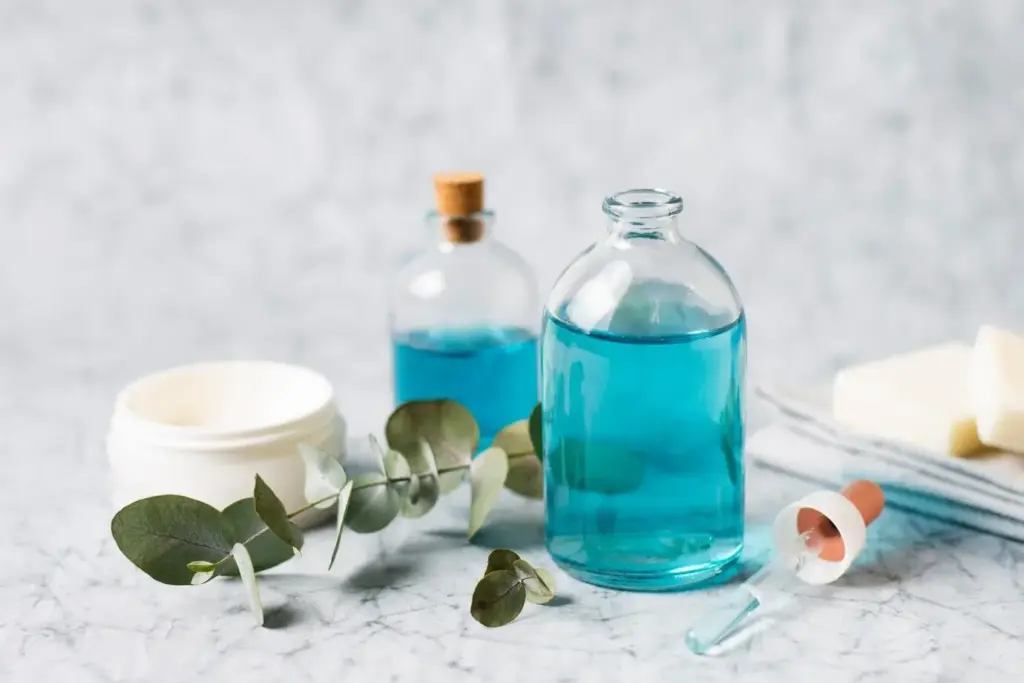
Glass resists odors and cleans easily, HDPE tolerates most household chemicals and rough handling, stainless protects from light and accidental drops, while PET is lightweight and clear for quick identification. Consider recyclability, gasket quality, and whether contents are acidic, solvent‑based, or sensitive to light. Keep one material per product family to simplify cleaning and replacement.
A wide mouth speeds cleaning, accommodates funnels, and welcomes thicker products like conditioners or powdered cleaners. Narrow openings reduce evaporation, splashes, and accidental spills during transport. Choose volumes you can lift comfortably when full, then pair ergonomic handles or silicone sleeves for secure pouring. Graduated walls or external measurement bands reduce guesswork and help maintain consistent refill ratios.
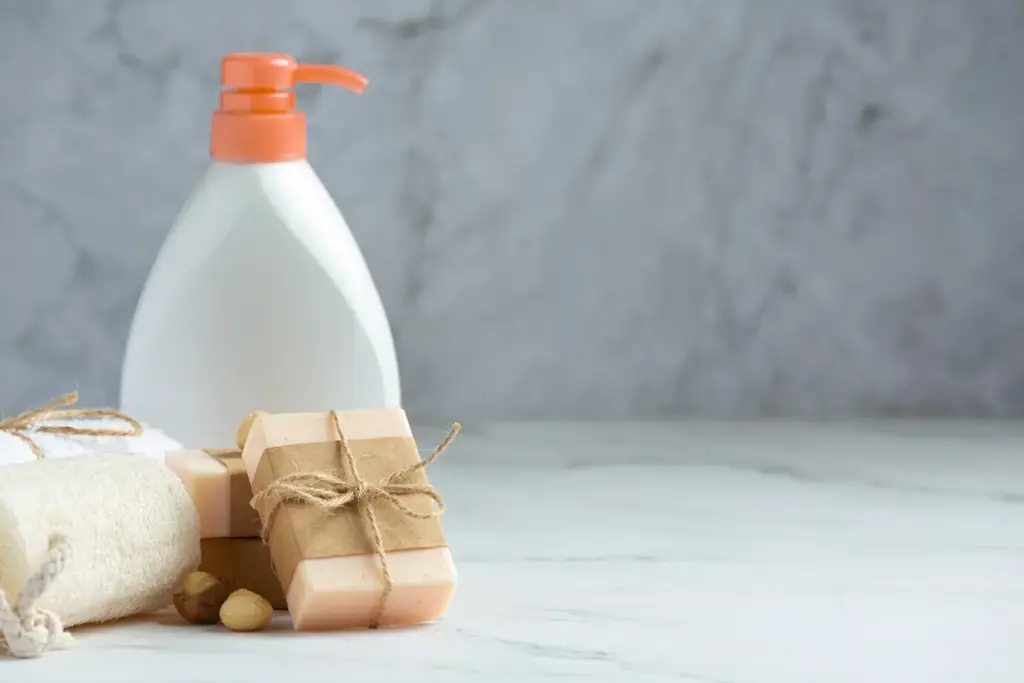
Pump tops, flip caps, swing tops, and screw lids each trade speed for security. Use silicone or EPDM gaskets that withstand detergents and mild acids, and replace them when they flatten or crack. Teflon tape can rescue stubborn threads, but test for compatibility first. Color‑coded caps prevent mix‑ups across cleaners, shampoos, and cooking staples, especially during busy mornings.

Pumps and Dispensers That Feel Effortless
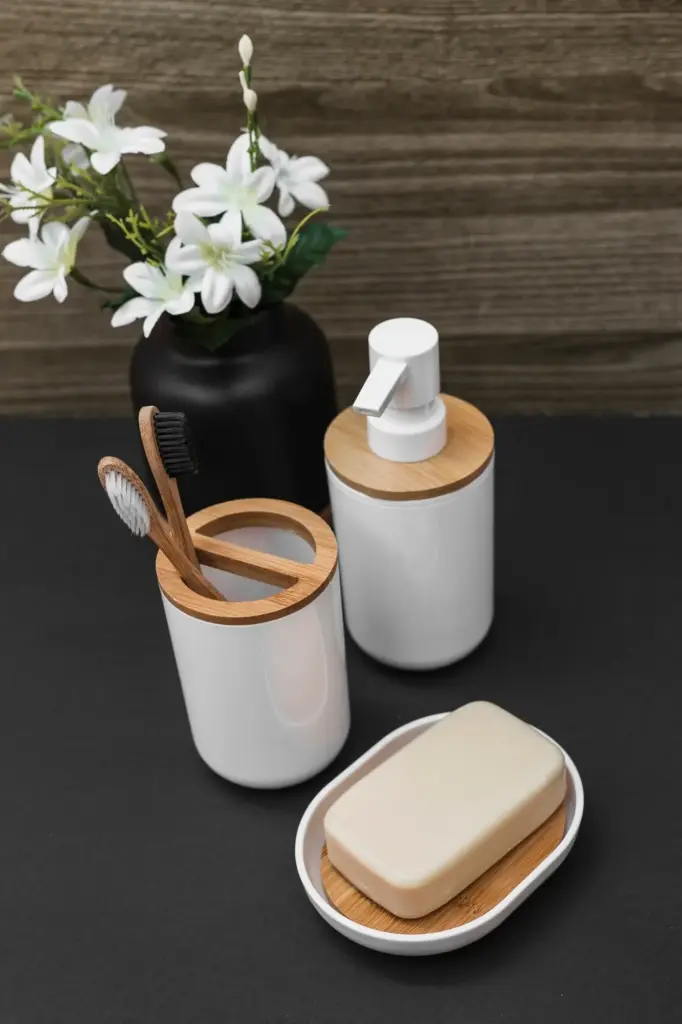
Smooth, predictable dispensing turns refills from a chore into a pleasure. We’ll compare peristaltic pumps, simple siphons, diaphragm dispensers, and gravity taps, then match each to viscosity and container size. You’ll learn how to prime efficiently, avoid aeration, and cut drips. We’ll also talk flow rates, stroke volumes, check valves, and maintenance schedules so measuring becomes effortless and repeatable.

Temperature and Light Control at Home

Most soaps and cleaners prefer cool, stable temperatures and low light. Avoid placing containers beside ovens, radiators, or sunny windows, and consider amber glass or opaque bins to reduce UV exposure. Humidity invites corrosion and label failure, so use desiccants or gentle airflow. A simple thermometer and light meter quickly reveal hidden hotspots that shorten product life.

Shelving, Totes, and Secondary Containment

Choose metal or sealed wood shelves anchored to studs, with lips that stop containers from sliding. Group by category in durable totes, then park everything inside a shallow tray capable of holding the largest bottle’s volume. This simple safeguard contains small leaks, protects floors, and buys time. Add absorbent pads beneath high‑traffic spots to catch drips before they spread.

Child-Safe and Pet-Safe Placement

Install magnetic locks or elevated shelves for anything hazardous, and never store look‑alike liquids near edible oils. Keep detergents and concentrates in opaque, unluring containers with clear hazard icons. Train the household on icons and safe handling rituals. In homes with pets, secure pumps between uses to prevent licking, and use bitterant labels if necessary as an extra barrier.
Clean, Sanitize, and Dry the Right Way

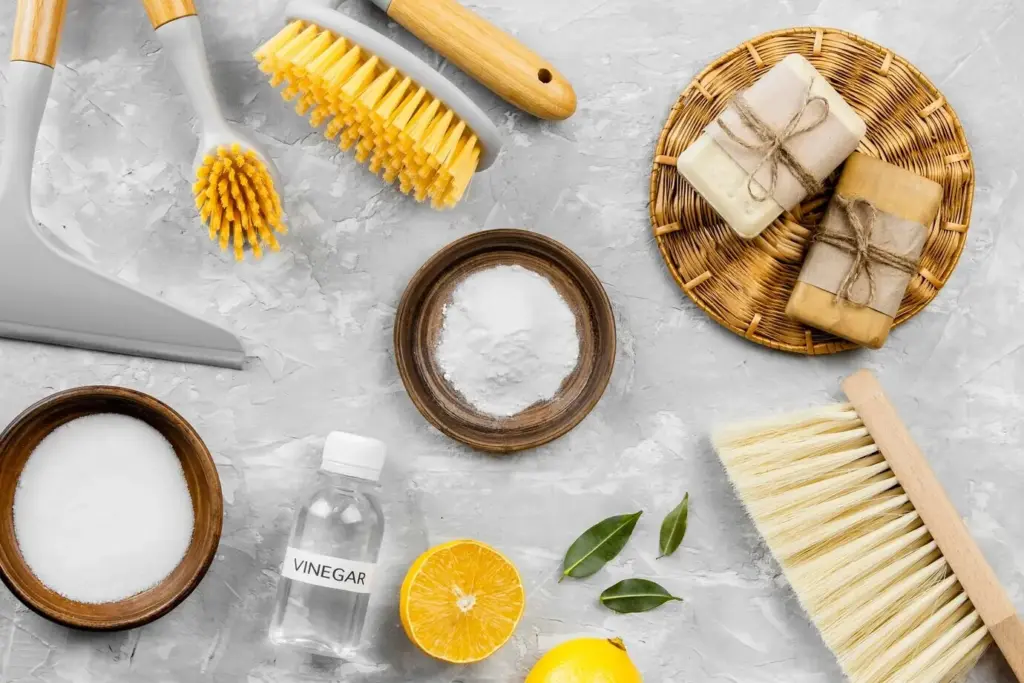
Rinse out residue with warm water, wash with detergent, then sanitize using heat or approved solutions at correct contact times. Air‑dry upside down on a rack until no moisture remains, since tiny droplets dilute products and encourage microbes. Keep a laminated routine near the sink, and set reminders until steps become muscle memory that everyone in the household shares.

Dedicated Tools and Color Coding

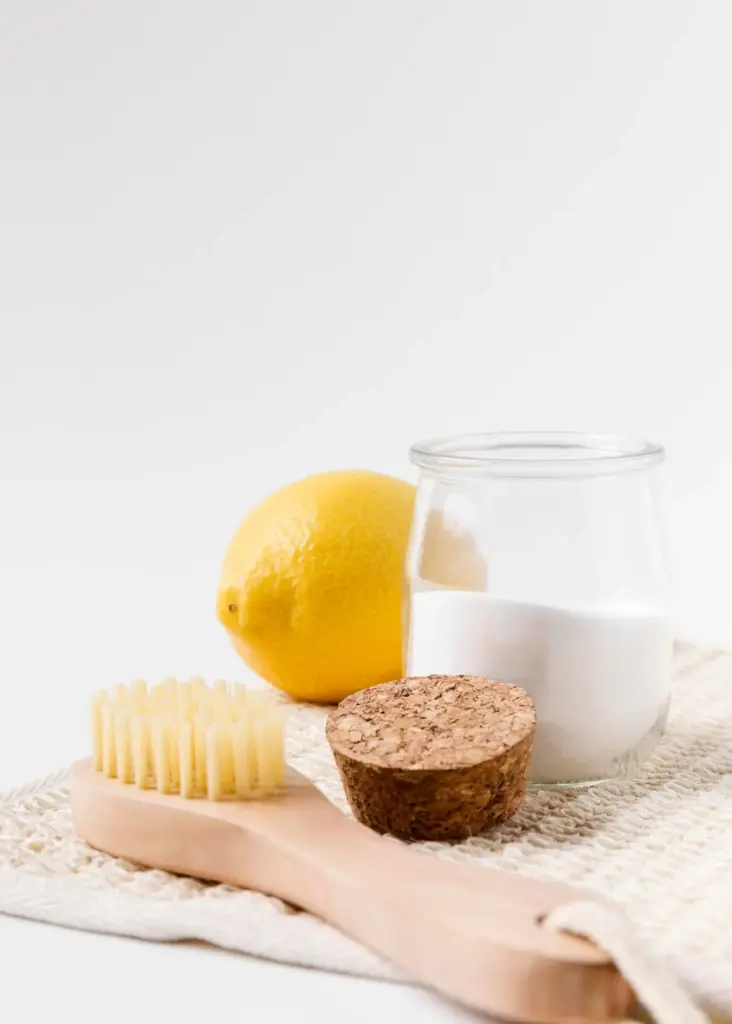
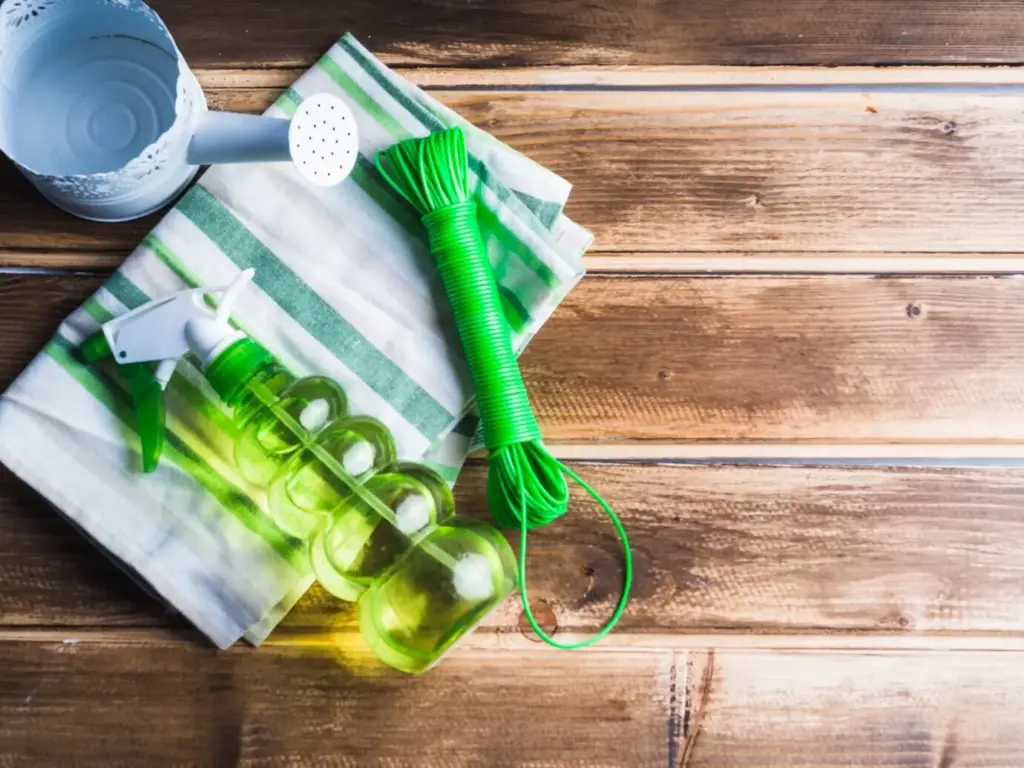
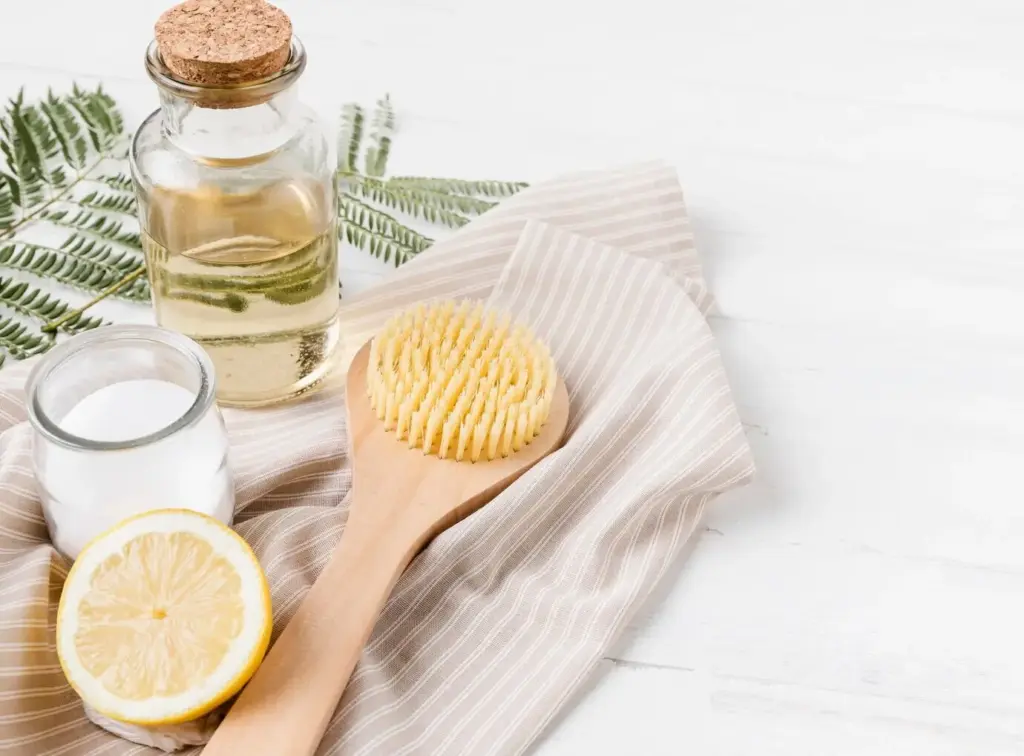
Assign a specific brush, funnel, and cloth color to each product family—blue for glass cleaners, green for food oils, red for detergents—and never cross them. Store tools with matching containers to reinforce habits. Color dots on caps and shelves create instant visual checks. This tiny system prevents perfume ghosts, residue layering, and accidental chemical interactions that damage pumps.

Avoiding Incompatible Mixes

Keep a simple incompatibility chart: never combine bleach with ammonia or acids, separate oxidizers from organics, and avoid aluminum contact with strongly alkaline solutions. Label concentrate strengths clearly to stop accidental over‑dilution. If you ever smell chloramines or unexpected fizz, stop immediately, ventilate, and dispose safely. Build confidence by updating the chart as new products join your station.
Labeling, Measuring, and Tracking Refills

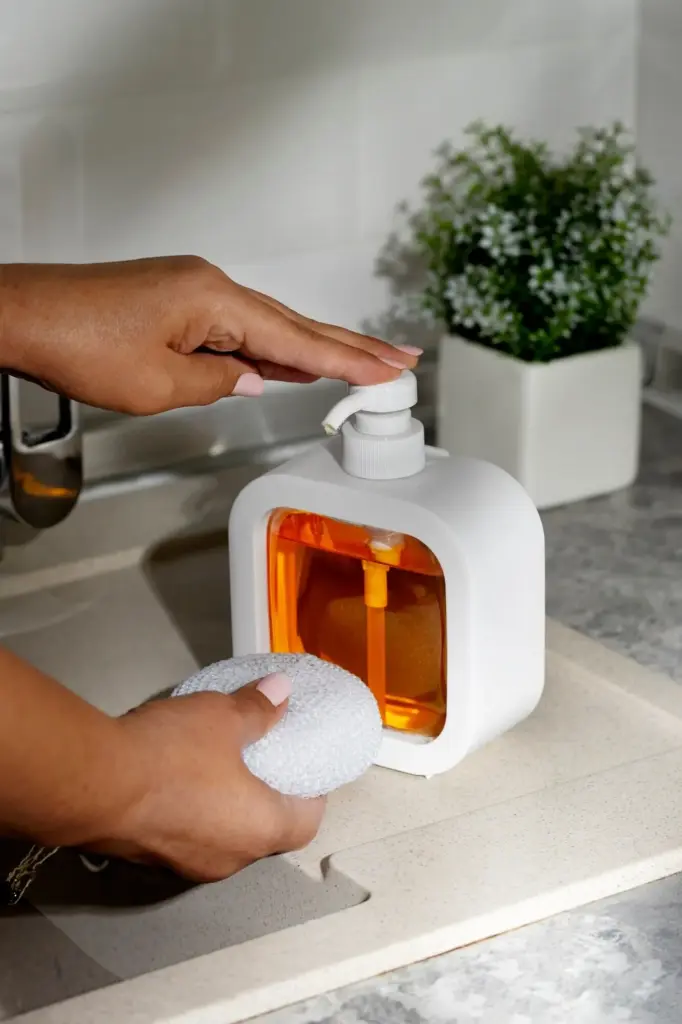
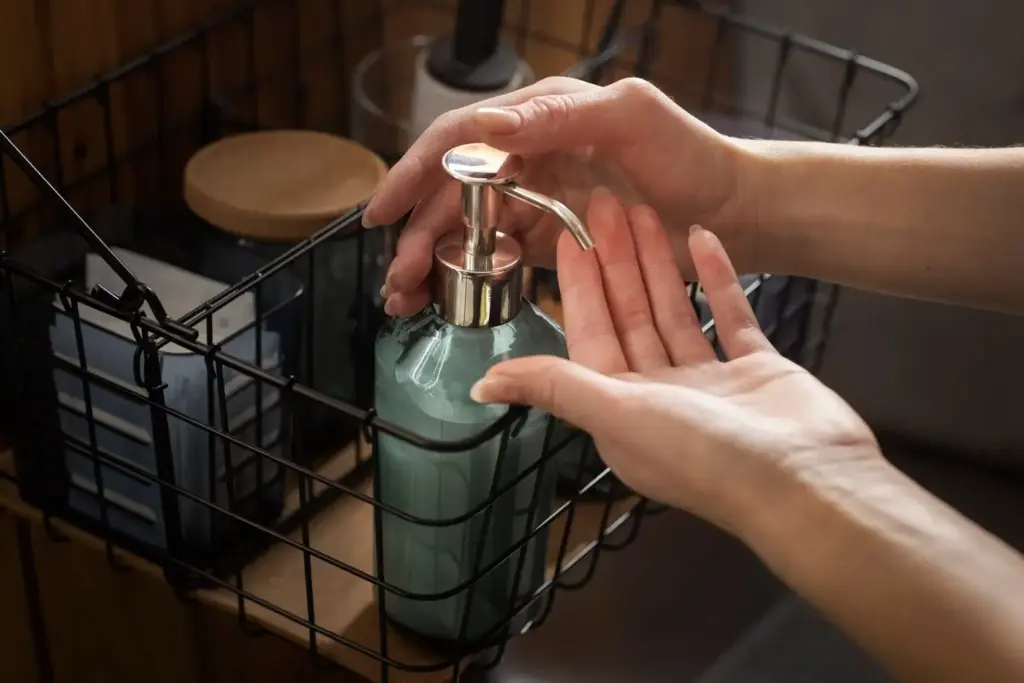
Clarity makes refills faster and safer. We’ll set up durable labels that survive splashes, standardized measurements for repeatable dilutions, and a tiny log that tracks dates, sources, and remaining volumes. With simple tools—funnels, graduated cylinders, scales, and syringes—you’ll waste less and hit consistent ratios every time. I’ll include an anecdote about a mislabeled jar that prompted better icons.

Personal Protective Habits That Stick

Keep lightweight gloves, protective glasses, and an apron within arm’s reach, and actually use them for decanting, diluting, and cleaning. Turn on ventilation or open a window before handling concentrates. Tie back hair, remove distractions, and keep pets away. These tiny rituals slow you down just enough to prevent slips, eye rubs, and surprise splashes that ruin a day.

A Simple Home Spill Plan

Store absorbent granules or pads, zipper bags, baking soda for mild acid neutralization, and labeled trash for contaminated materials. When a spill happens, stop the source, ventilate, protect skin, then contain from the outside in. Never mix unknown liquids. Photograph labels for reference if calling local guidance lines, and replace anything damaged before your next refill session.
Kazuxuxikaxura
Privacy Overview

This website uses cookies so that we can provide you with the best user experience possible. Cookie information is stored in your browser and performs functions such as recognising you when you return to our website and helping our team to understand which sections of the website you find most interesting and useful.